Importing Construction materials from Iran to UAE, Oman & Other Countries
importing building materials from iran
Iran is a significant importer of various construction materials, leveraging its rich natural resources and established manufacturing capabilities. The key construction materials imported from Iran include:
- Cement and Clinker
- Ceramic Tiles and Porcelain
- Natural Stones (Marble, Travertine, Granite, Onyx, Limestone)
- Steel Rebar and Other Steel Products
- Gypsum and Gypsum Powder
- Bitumen and Asphalt
- Insulation and Waterproofing Materials
- Bricks
Detailed Content for Each Import Product:
Û±. Cement and Clinker importing From IRAN
Overview:
Iran has a well-developed and robust cement industry, making it one of the leading global exporters of cement and clinker. The country boasts numerous modern factories with high production capacities, producing various types of cement that meet international standards. Iranian cement is highly regarded for its quality, durability, and competitive pricing, making it an attractive option for construction and infrastructure projects worldwide.
Key Features and Types:
- High Quality:Â Manufactured using advanced technologies and rigorous quality control processes, ensuring high durability and strength.
- Diverse Types:Â Iranian cement exports include:
- Portland Cement Type 1:Â Suitable for general concrete construction.
- Portland Cement Type 2:Â Ideal for structures with moderate sulfate resistance.
- Portland Cement Type 5:Â Known for its very high sulfate resistance, suitable for aquatic structures, bridges, and tanks.
- White Cement:Â Used for decorative purposes and specific architectural designs.
- Clinker:Â As the primary material for cement production, Iranian clinker is also widely exported to cement manufacturing factories globally.
- Packaging:Â Available in various packaging options, including 50 kg bags, jumbo bags (1-ton bags), and bulk shipments, to accommodate different project scales and transportation needs.
Import Markets:
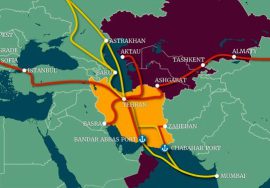
Major import destinations for Iranian cement and clinker include neighboring countries and regions with booming construction industries. Key markets include Iraq, Afghanistan, Armenia, Kuwait, Oman, Pakistan, India, and other Middle Eastern and Central Asian countries. There’s also a growing presence in markets like Russia.
Advantages of Iranian Cement:
- Competitive Pricing:Â High production capacity leads to cost-effective prices.
- Strategic Location:Â Proximity to key markets in the Middle East, Central Asia, and Africa reduces transportation costs.
- International Standards Compliance:Â Products often adhere to international quality and safety standards.
Û². Ceramic Tiles and Porcelain importing from Iran
Overview:
Iran has a long and rich history in pottery and ceramics, a legacy that continues in its modern ceramic tile and porcelain industry. Leveraging abundant natural resources, skilled labor, and advanced manufacturing facilities, Iran produces high-quality ceramic tiles and porcelain that are known for their aesthetic appeal, durability, and affordability.
Key Features and Types:
- High-Quality Materials:Â Crafted from top-grade raw materials, including locally sourced feldspar, kaolin, and clay.
- Innovative Designs: Iranian manufacturers۱ blend traditional motifs with contemporary aesthetics, offering a wide range of designs, colors, and textures.
- Variety of Products:Â Imports include:
- Floor Tiles:Â Durable and suitable for heavy traffic areas.
- Wall Tiles:Â Available in various finishes for interior and exterior applications.
- Porcelain Tiles:Â Known for their high density, low water absorption, and exceptional durability, making them suitable for both residential and commercial spaces.
- Mosaic Tiles:Â Used for decorative purposes and intricate designs.
- Stone Tiles (Ceramic imitation of natural stone):Â Offering the look of natural stone with the benefits of ceramic.
- Applications:Â Widely used in residential, commercial, and industrial projects for flooring, wall cladding, bathrooms, kitchens, and facades.
Import Markets:
Iranian ceramic tiles and porcelain are exported to a wide range of countries, with significant demand from:
- Middle Eastern Countries:Â Saudi Arabia, UAE, Iraq, Kuwait.
- Asian Markets:Â India, Pakistan, Uzbekistan, Kazakhstan, Southeast Asia.
- European Union:Â Countries like Italy, Spain, and Germany (appreciating Iranian craftsmanship).
- Africa and Latin America:Â Emerging markets with growing construction needs.
Advantages of Iranian Ceramic Tiles:
- Durability and Longevity:Â Manufactured to withstand various conditions and prolonged use.
- Cost-Effectiveness:Â Offers a balance of quality and competitive pricing.
- Aesthetic Versatility:Â A wide array of designs and finishes to suit diverse architectural styles.
Û³. Natural Stones (Marble, Travertine, Granite, Onyx, Limestone)
Overview:
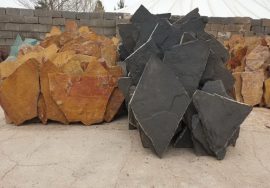
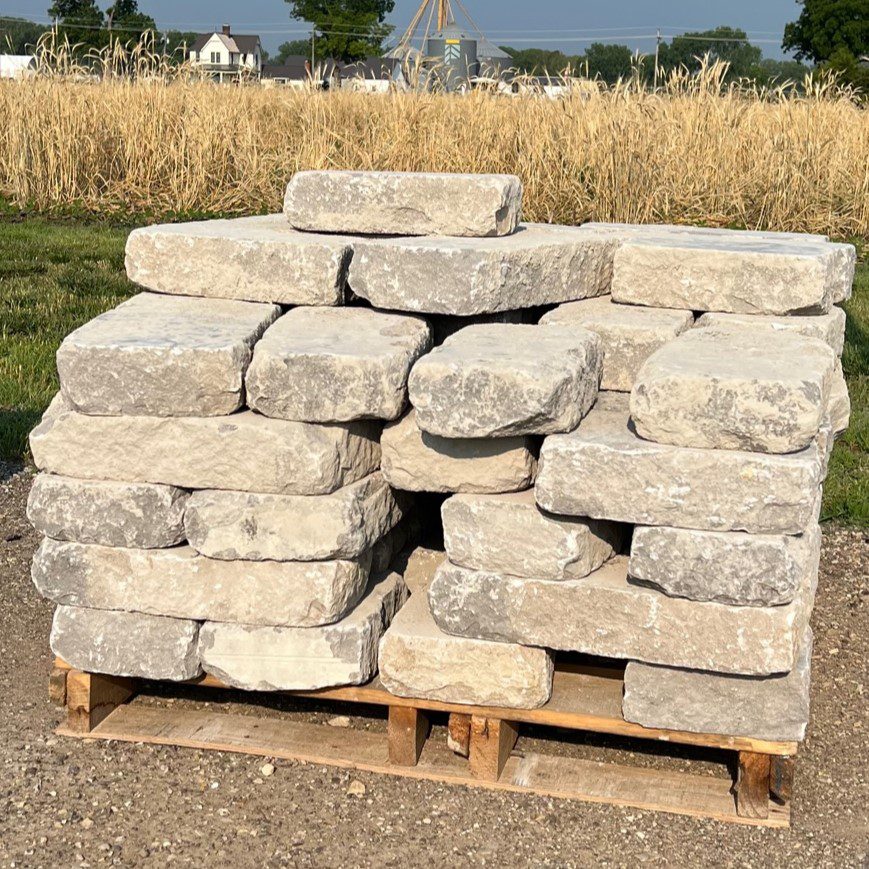
Iran is one of the world’s richest countries in terms of natural stone reserves, boasting over 4,000 operational stone quarries. This extensive resource base allows Iran to be a leading importer of various types of natural stones, including marble, travertine, granite, onyx, and limestone. These stones are highly sought after globally for their premium quality, unique patterns, and competitive pricing.
Key Features and Types:
- Travertine:Â Iran is a global leader in travertine production and export. Known for its exceptional beauty, variety of colors (ranging from beige and brown to red and white), and unique porous texture. Available in polished, honed, and tumbled finishes, suitable for flooring, wall cladding, and facades.
- Marble:Â Renowned for its clarity, density, and luxurious appearance with intricate veining. Persian Silk Marble (grey with white veins) and various white, black, and colored marbles are popular. Used extensively in interior design for flooring, countertops, and decorative elements.
- Granite:Â Valued for its hardness, durability, and resistance to scratches and heat. Iranian granite comes in various colors and is ideal for kitchen countertops, outdoor paving, and high-traffic areas.
- Onyx:Â Highly prized for its translucent beauty and ability to be backlit, creating stunning visual effects. White Onyx is particularly valued for interior design applications, such as decorative panels and artistic elements.
- Limestone (e.g., Gohare Limestone):Â Often used for flooring and wall cladding, offering a softer, more subtle aesthetic.
Forms of Export:
Iranian natural stones are exported in various forms to meet diverse project requirements:
- Blocks:Â Raw blocks from quarries for further processing in importing countries.
- Slabs:Â Large polished or unpolished slabs for custom cutting and fabrication.
- Tiles:Â Pre-cut and finished tiles in standard sizes for flooring and wall applications.
- Custom-sized cuts:Â Tailored to specific project dimensions.
Export Markets:
Major markets for Iranian natural stones include:
- Europe:Â Italy, Germany, France, and other countries seeking high-quality and unique stone.
- Asia:Â China, India, Japan, and Middle Eastern countries like UAE, Qatar, and Saudi Arabia.
- North America:Â United States and Canada, for luxury buildings and decorative architectural projects.
- Other regions:Â Including Mexico and Turkey for specific stone types like travertine.
Advantages of Iranian Natural Stones:
- Premium Quality:Â Recognized globally for their beauty, durability, and unique characteristics.
- Wide Range of Options:Â Diverse selection of stone types, colors, and finishes.
- Cost-Effectiveness:Â Often more affordable compared to European or Turkish stones, offering significant value.
- Versatility:Â Suitable for a broad spectrum of applications in construction and interior design.
Û´. Steel Rebar and Other Steel Products
Overview:
Iran is a significant producer of steel and steel products, with steel rebar being a fundamental component of its construction material exports. The Iranian steel industry has invested in modern technology and adheres to international standards, ensuring the production of high-quality rebar known for its strength, corrosion resistance, and versatility.
Key Features and Types of Rebar:
- Grades:Â Commonly produced grades include B500B, B500C, and A3, offering different tensile strengths and mechanical properties to suit various structural requirements. These typically meet international standards such as ASTM A615 and EN 10080.
- Diameter Range:Â Available in a wide range of diameters, typically from 6mm to 40mm, suitable for diverse construction projects from residential buildings to large-scale infrastructure.
- Yield Strength:Â Standard yield strength of 500 MPa for B500B rebar, ensuring durability under load-bearing conditions.
- Surface Finish:Â Primarily available with a ribbed (deformed) surface, which enhances bond strength with concrete, crucial for reinforced concrete structures.
Other Steel Products:
Beyond rebar, Iran also exports other steel products vital for construction, including:
- Steel Beams:Â Used for structural support in buildings.
- Steel Sheets:Â For roofing, cladding, and various fabrication purposes.
- I-Beams and Iron Angles:Â Essential for framing and structural integrity.
- Profiles:Â Various steel profiles for different construction needs.
Production Process:
Iranian steel rebar is produced through a meticulous process involving high-quality steel billets as raw material, followed by hot rolling to achieve the desired diameter and shape, precise cooling, and stringent testing and quality control to ensure product performance and adherence to specifications.
Export Markets:
Iranian steel rebar and other steel products are primarily exported to neighboring countries and regions with active construction sectors. Key export destinations include:
- Middle East:Â Iraq, Kuwait, Qatar, Oman.
- Central Asia and Caucasus:Â Armenia, Georgia, Uzbekistan, Turkmenistan.
- Other Asian Countries:Â Pakistan, Afghanistan, Syria.
- Turkey:Â Also a significant market for Iranian steel.
Advantages of Iranian Steel Rebar:
- High Quality and Durability:Â Manufactured to meet international standards for strength and corrosion resistance.
- Competitive Pricing:Â Due to high production capacity and cost-effective manufacturing.
- Versatility:Â Suitable for a wide range of construction and industrial applications.
- Reliable Supply:Â Established steel industry ensures consistent and reliable supply.
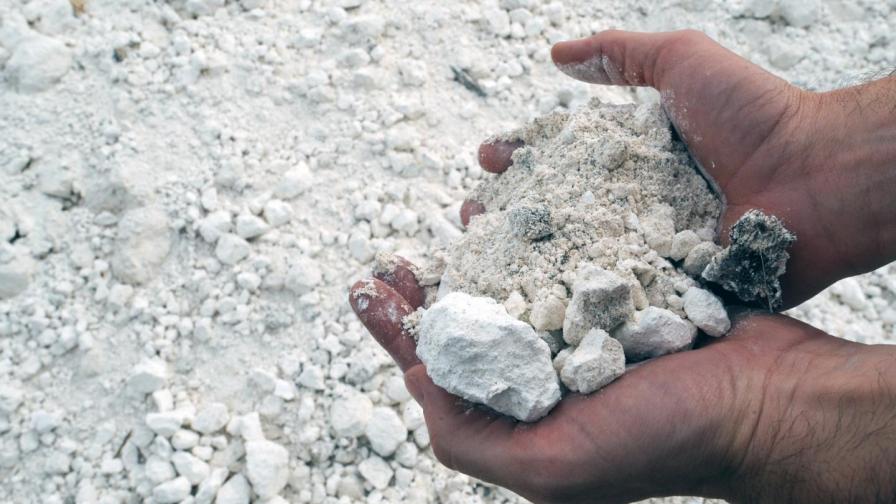
Ûµ. Gypsum and Gypsum Powder
Overview:
Iran possesses significant reserves of gypsum, a naturally occurring mineral essential for various construction applications. The country is a notable exporter of both raw gypsum and processed gypsum powder, which is widely used in the production of plaster, drywall, and other building materials.
Key Features and Types:
- High Purity:Â Iranian gypsum is generally known for its high purity, making it suitable for various industrial applications.
- Gypsum Powder:Â Exported in various grades and mesh sizes (e.g., Mesh 200), tailored for different uses:
- Construction Plaster:Â Used for wall and ceiling finishes due to its smooth finish and quick-setting properties.
- Drywall/Gypsum Board Production:Â A key ingredient in manufacturing gypsum panels for interior walls and ceilings.
- Cement Additive:Â Used in cement production to control setting time.
- Agricultural Gypsum:Â For soil amendment.
- Packaging:Â Available in bags (e.g., 50kg, jumbo bags) and bulk shipments, depending on the volume and destination.
Applications:
- Interior Finishing:Â For plastering walls and ceilings in residential and commercial buildings.
- Partition Walls:Â Essential for the production of gypsum boards for lightweight and fire-resistant interior partitions.
- False Ceilings:Â Used in the construction of suspended ceilings.
- Mold Making:Â Due to its fine texture and setting properties.
Export Markets:
Major export markets for Iranian gypsum and gypsum powder include:
- India:Â A significant importer of Iranian gypsum powder.
- United Arab Emirates (UAE):Â For construction projects in the region.
- China:Â Also imports Iranian gypsum for various industrial uses.
- Kuwait, Qatar, Armenia, Bangladesh, Tanzania:Â Other key destinations.
Advantages of Iranian Gypsum:
- Abundant Reserves:Â Ensures consistent supply.
- Competitive Pricing:Â Due to large-scale mining and processing.
- Versatility:Â Can be used in a wide range of construction and industrial applications.
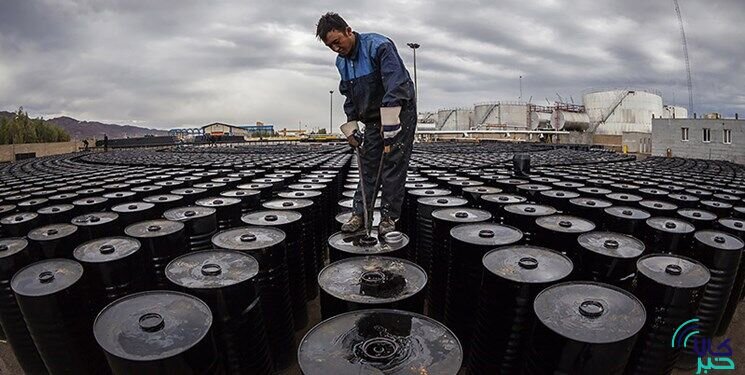
Û¶. Bitumen and Asphalt
Overview:
As a major oil and gas producer, Iran is also a significant exporter of petroleum-derived products, including bitumen and asphalt. Bitumen, a viscous black substance, is a key component in road construction and waterproofing, making it a crucial export for the construction industry.
Key Features and Types:
- High Viscosity:Â Iranian bitumen is known for its high viscosity, which contributes to its durability and performance in road paving.
- Resistance to Weather Conditions:Â Offers excellent resistance to varying temperatures and weather elements, crucial for infrastructure longevity.
- Grades:Â Available in various penetration grades (e.g., Bitumen 60/70, 80/100), catering to different climatic conditions and paving requirements.
- Oxidized Bitumen:Â Also known as blown bitumen, used for roofing, waterproofing, and industrial applications due to its higher softening point.
Applications:
- Road Construction:Â The primary use of bitumen is as a binder in asphalt concrete for paving roads, highways, and airport runways.
- Waterproofing:Â Used in roofing materials, foundation waterproofing, and other sealing applications to protect structures from moisture.
- Industrial Applications:Â In various industrial products like paints, sealants, and adhesives.
Export Markets:
Iranian bitumen and asphalt are exported to numerous countries, particularly those with active infrastructure development projects. Key markets include:
- Neighboring Countries:Â Iraq, Afghanistan, Pakistan.
- Middle East:Â UAE, Oman, Kuwait.
- Southeast Asia and Africa:Â Growing markets for infrastructure development.
Advantages of Iranian Bitumen:
- Quality and Performance:Â Known for its high quality and reliability in various applications.
- Competitive Pricing: Attractive pricing due to Iran’s position as an oil producer.
- Strategic Location:Â Facilitates export to regional markets.

Û·. Insulation and Waterproofing Materials
Overview:
With a focus on energy efficiency and building longevity, Iran also exports various insulation and waterproofing materials. These materials are crucial for protecting buildings from heat loss, moisture penetration, and sound transmission, contributing to comfort and structural integrity.
Key Features and Types:
- Thermal Insulation:Â Materials like rock wool, glass wool, and extruded polystyrene (XPS) panels are exported for thermal insulation in walls, roofs, and floors. These help regulate indoor temperatures and reduce energy consumption.
- Sound Insulation:Â Products designed to reduce noise transmission, used in residential and commercial buildings.
- Waterproofing Membranes:Â Including bituminous membranes, PVC membranes, and liquid applied waterproofing systems. These are essential for preventing water ingress in basements, roofs, and wet areas.
- Sealants and Adhesives:Â Complementary materials used in conjunction with insulation and waterproofing products.
Applications:
- Building Envelopes:Â Insulating walls, roofs, and foundations for energy efficiency.
- Basement and Roof Waterproofing:Â Protecting structures from groundwater and rain.
- Wet Areas:Â Ensuring bathrooms, kitchens, and balconies are moisture-proof.
- Soundproofing:Â In commercial buildings, studios, and residential units for acoustic comfort.
Export Markets:
These materials are primarily exported to countries in the Middle East, Central Asia, and neighboring regions where construction standards are rising and there is a demand for modern building practices.
Advantages of Iranian Insulation and Waterproofing Materials:
- Variety of Solutions:Â A wide range of products to address different insulation and waterproofing needs.
- Compliance with Standards:Â Often manufactured to meet regional and international building codes.
- Cost-Effectiveness:Â Providing competitive options for project development.
Û¸. Bricks
Overview:
Bricks, a fundamental building block since ancient times, continue to be a significant construction material exported from Iran. The country has a long tradition of brick making, utilizing local clay resources and a blend of traditional and modern manufacturing techniques.
Key Features and Types:
- Clay Bricks:Â The most common type, made from natural clay fired at high temperatures. Available in various sizes, colors, and textures.
- Hollow Bricks:Â Lighter than solid bricks, often used for non-load-bearing walls and partitions, offering better thermal and sound insulation properties.
- Face Bricks:Â Used for exterior facades due to their aesthetic appeal and durability.
- Common Bricks:Â For general masonry work.
Applications:
- Wall Construction:Â For both load-bearing and non-load-bearing walls in residential, commercial, and industrial buildings.
- Paving:Â Certain types of bricks are used for pedestrian pathways and decorative paving.
- Architectural Features:Â For creating traditional and contemporary architectural designs.
Export Markets:
Iranian bricks are typically exported to neighboring countries, especially those with ongoing construction projects and demand for traditional or cost-effective building materials. Markets in Iraq, Afghanistan, and other Central Asian countries are common destinations.
Advantages of Iranian Bricks:
- Traditional Craftsmanship:Â Blends historical expertise with modern production.
- Durability:Â Fired clay bricks are known for their strength and longevity.
- Natural Material:Â Made from readily available natural resources.
- Cost-Effective:Â Often a more economical choice for masonry construction.