The Top 20 International Container Ports Shipping to Iran
Global Trade Lifelines: The Key International Ports Shipping to Iran
Introduction
Despite economic sanctions and geopolitical tensions, Iran remains connected to global trade through an extensive maritime network. Major international ports from Asia to Europe play a crucial role in supplying Iran with everything from consumer goods to industrial machinery. This report examines the busiest shipping routes, strategic partnerships, and how Iran maintains its supply chains under restrictions.
1. Iran’s Top Entry Ports: Gateways for Global Trade
Before exploring international ports, it’s essential to understand where cargo enters Iran:
-
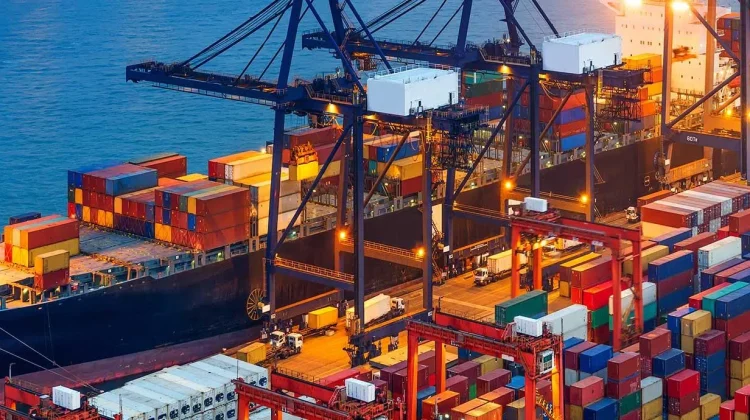
Bandar Abbas (Shahid Rajaee Port) – Handles 90% of Iran’s container traffic, equipped with modern cranes and direct links to major global shipping lanes. (Aren Navgan Hormozgan)
- Bushehr port: Focuses on construction materials, foodstuffs, and regional trade.
-
Chabahar Port – A sanctions-evading hub developed with Indian investment, crucial for trade with Afghanistan and India.
-
Bandar Imam Khomeini – Specializes in bulk cargo like grains, oil, and vehicles.
-
Caspian Sea Ports (Anzali, Amirabad) – Vital for trade with Russia and Central Asia.
2. The World’s Busiest Ports Shipping to Iran
A) Asia: Iran’s Largest Trade Partners
1. Shanghai & Ningbo (China)
-
#1 Source of Imports: Electronics, machinery, and raw materials.
-
Shipping Time: 14–25 days to Bandar Abbas.
-
Key Insight: Chinese state-owned COSCO quietly maintains Iran routes despite U.S. sanctions.
2. Jebel Ali (UAE, Dubai)
-
Re-Export Hub: 30% of Iran’s imports arrive via Dubai due to sanctions workarounds.
-
Shipping Time: Just 1–3 days to Bandar Abbas.
-
Controversy: “Ghost ships” and shell companies often mask Iranian-bound cargo.
3. Mundra & Mumbai (India)
-
Agricultural Focus: Rice, tea, and pharmaceuticals.
-
Chabahar Connection: India uses this port to bypass Pakistan for Afghanistan trade.
4. Busan (South Korea)
-
Auto Parts & Tech: Prior to sanctions, a major source of vehicle components.
B) Europe: Limited but Strategic
1. Rotterdam (Netherlands)
-
Indirect Routes: Most cargo transships via UAE/India.
-
Key Exports: Industrial chemicals and machinery.
2. Hamburg (Germany)
-
Pre-Sanctions Hub: Once a major port for Iran’s automotive industry.
C) Russia & Caspian Trade
-
Astrakhan Port: Ships grains and construction materials via the Caspian Sea to Anzali.

3. How Sanctions Have Reshaped Iran’s Shipping Routes
-
The “Shadow Fleet”: Over 100 unflagged tankers secretly transport Iranian oil to China.
-
Document Manipulation: Cargo often lists UAE/Oman as final destination before rerouting to Iran.
-
Chabahar’s Rise: India’s $500M investment aims to create an alternative to Pakistan’s Karachi port.
4. The Future: Emerging Trade Corridors
-
INSTC (International North-South Transport Corridor): A new Russia-Iran-India rail/sea route cutting transit time by 40%.
-
Oman-Iran Undersea Tunnel (Proposed): Could revolutionize trade if built.